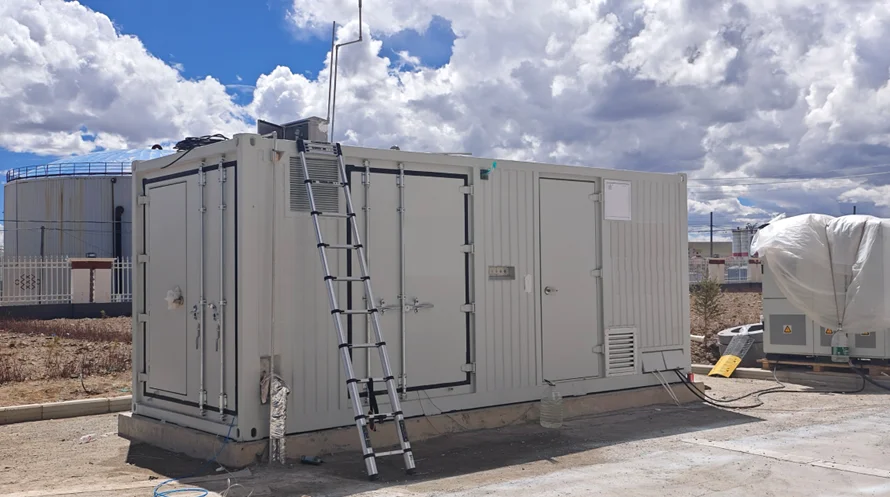
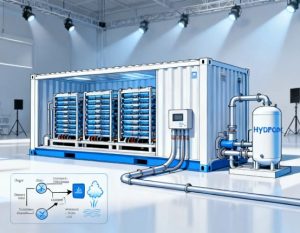
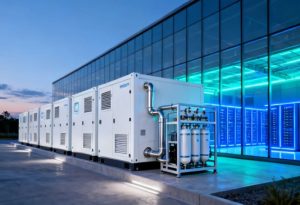
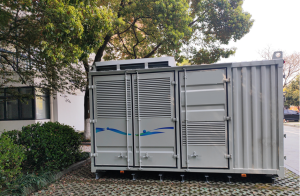
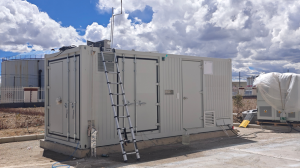
Mingzheng Technology has a hydrogen fuel cell power system running at high altitude—thin air, cold nights, the kind of place where equipment gets tested whether you planned it or not. The unit is online and powering local facilities.
The challenge at elevation is simple: less air means less oxygen for the stack. The system’s air management handles this with a delivery control strategy that compensates for the drop in partial pressure. It’s not magic—just a calibrated response to a known condition. The rest of the plant—thermal management, balance-of-plant components—got dialed in for the lower temperatures and reduced heat exchange efficiency that come with altitude.
Commissioning included a series of start-stop cycles to shake out any instabilities. The unit ran through them without unscheduled interruptions. Output stayed consistent across the test sequences.
What matters here is that the system adapted without major hardware changes. That’s not trivial—it means the same core design can handle elevation without a redesign for each site.
This installation joins a growing list of Mingzheng systems running in non-standard conditions. The company keeps putting hardware in the field, not just in the lab, to see what it actually does. The feedback loop is simple: run it, measure it, improve it.