Product Introduction
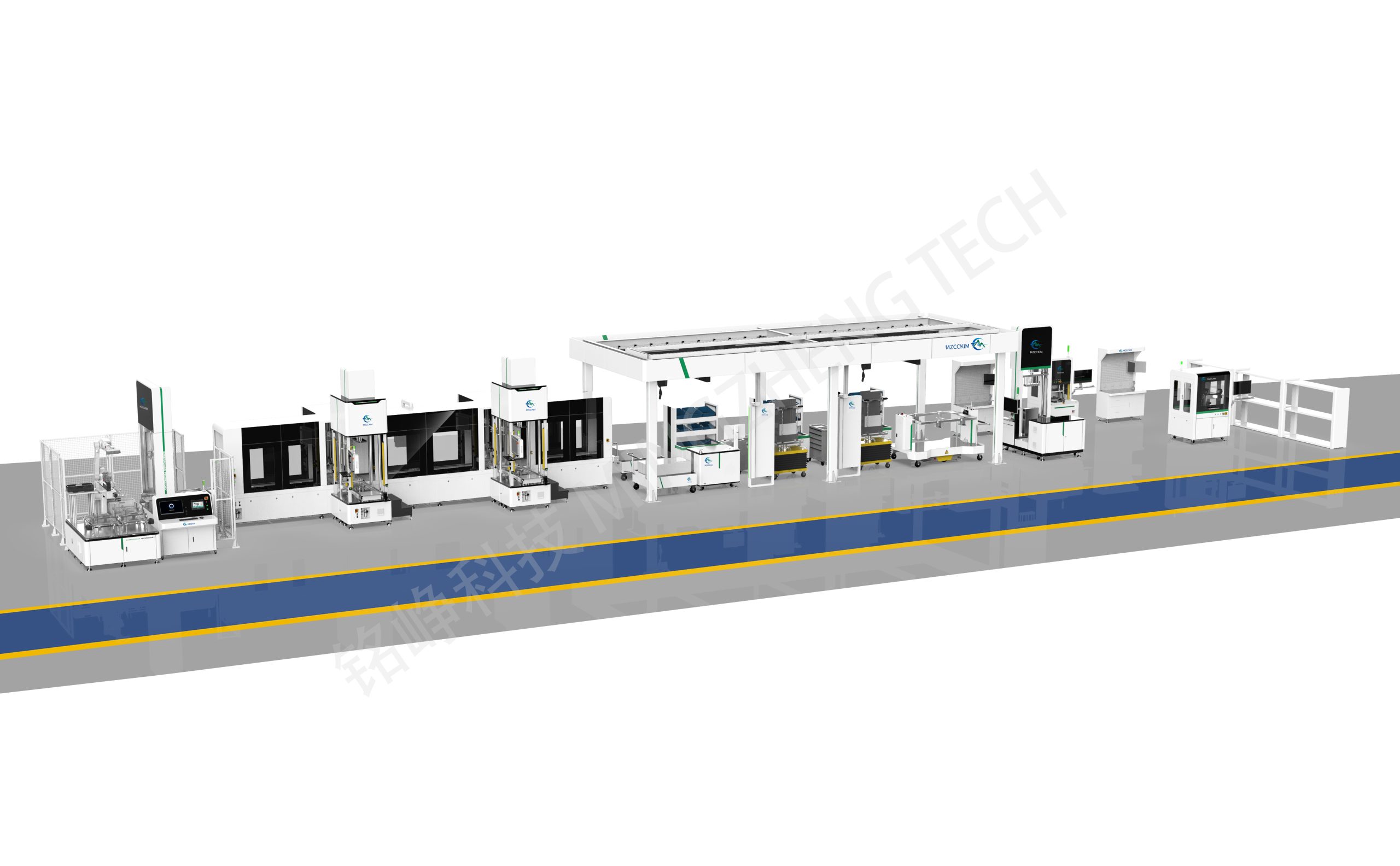
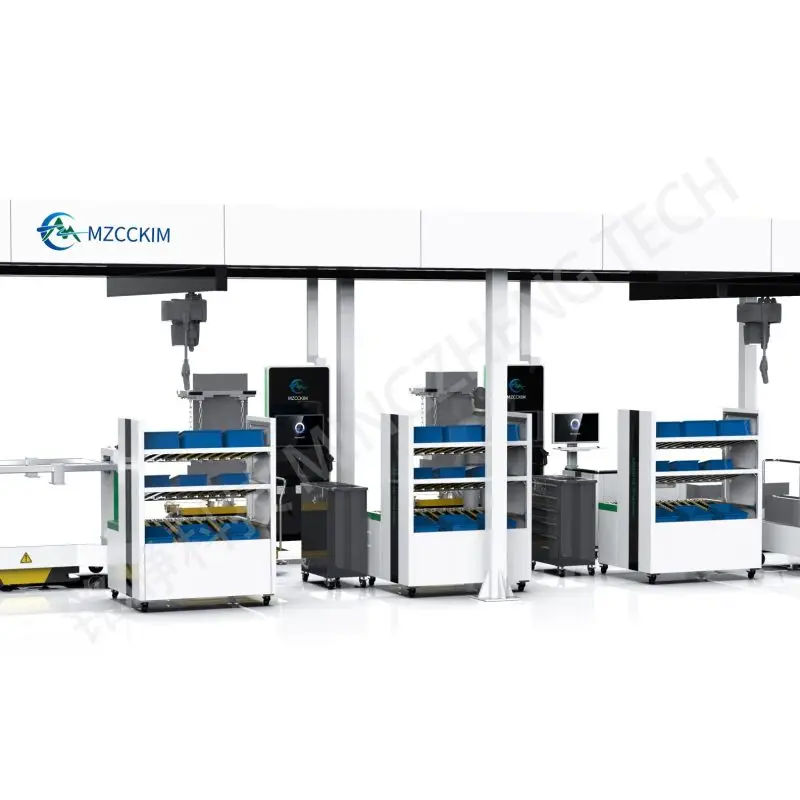
This production line is purpose-built for the automated assembly of hydrogen fuel cell stacks with core components of graphite bipolar plates or metal bipolar plates. Featuring a modular design and flexible assembly solution, it is compatible with mass production of fuel cell stacks with various power ratings.
The line supports full data communication with the Manufacturing Execution System (MES), enabling real-time monitoring of the entire production process and full lifecycle traceability of production data via the MES system. It also allows rapid capacity expansion according to customer production requirements, fully adapting to the scaling needs of production line upgrading.
Key Technical Specifications
Technical Specifications
- Cycle Time Per Piece 3s/PCS
- Stacking Positioning Accuracy 0.1mm
- Servo Press Control Accuracy ±1%FS (Full Scale)
- In-line Inspection Accuracy ±(0.8% of Reading + 0.2% Full Scale)
- Upper & Lower Platen Flatness ≤0.1mm
Advantages & Highlights
- High Compatibility & Flexible Production CapacityIt adapts to the production of high-power stacks up to 400 layers with a maximum opening height of 1100mm. The flexible stacking system supports rapid model changeover and product iteration for multiple stack types, and is compatible with various mainstream production processes including in-shell stacking and post-stacking casing, fully meeting customized process requirements of different customers.
- High-Precision & High-Stability Assembly ProcessWith a split design of the stacking station and pressing station, it greatly improves stacking efficiency. The innovative multi-stage and multi-group pressing process fully releases the internal stress of the stack, ensuring consistent assembly quality and long-term operational reliability. The servo press supports free switching between pressure mode and position mode, adapting to precise control requirements of different assembly processes.
- Full-Process Intelligent Control & TraceabilityIt is integrated with in-line air tightness inspection, supporting flexible configuration of pressure differential method and flow method. The line realizes fully automatic loading and unloading, with the entire production process managed in a closed loop by the MES system and full traceability of production data, perfectly meeting the digital management requirements of large-scale mass production of fuel cells.